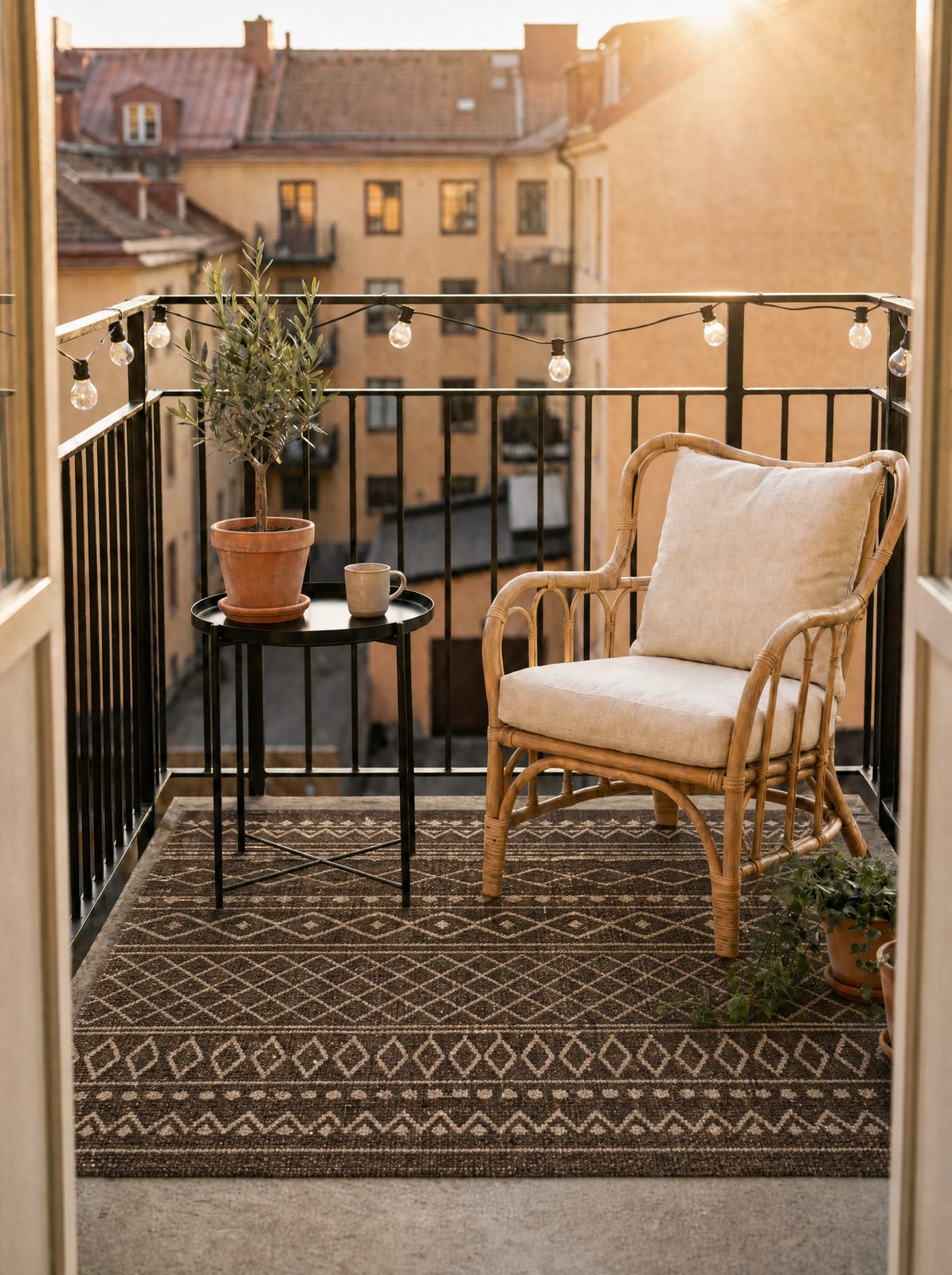
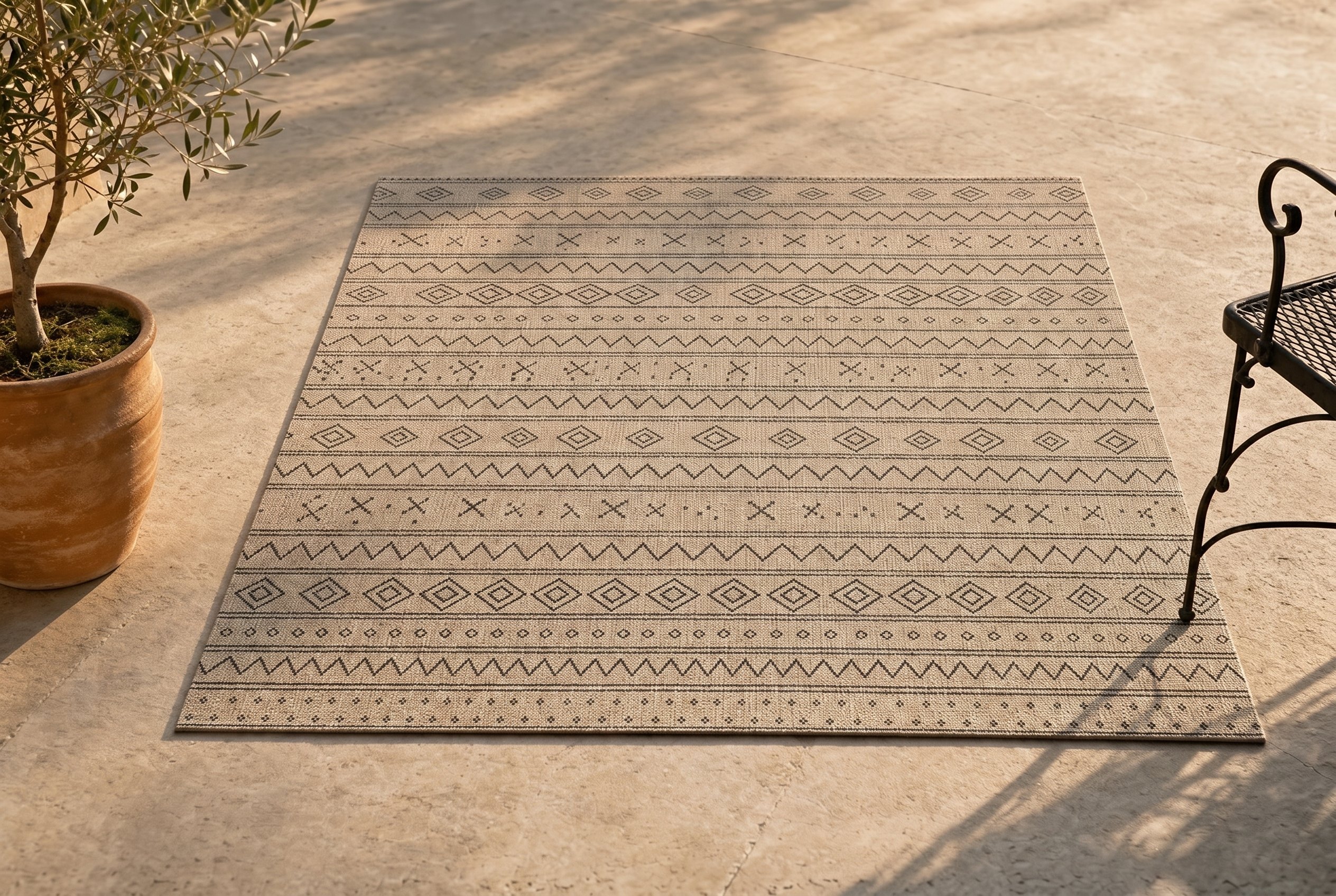
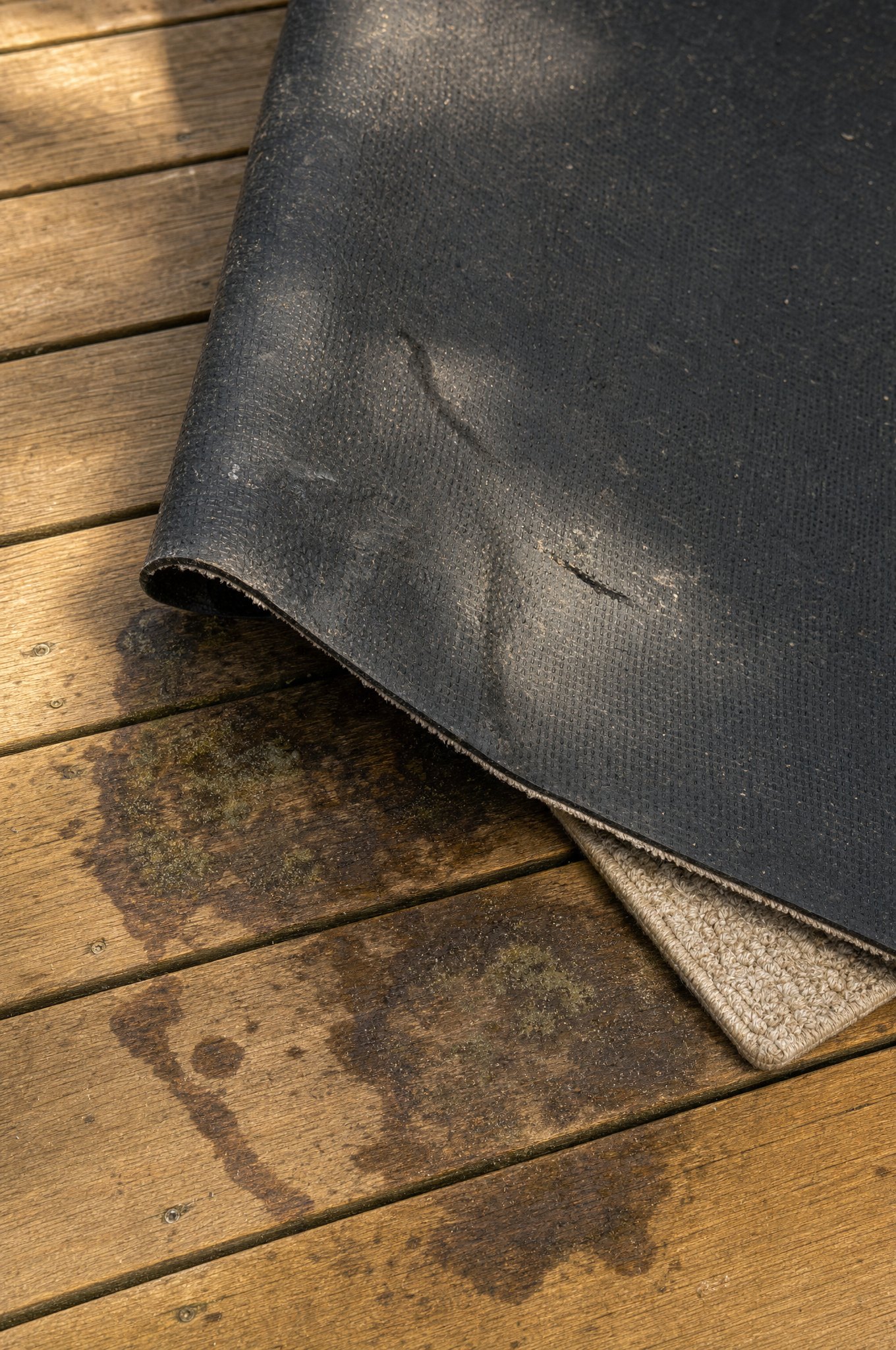
Quick Picks: Top 3 in 30 Seconds
Don't have time to read the full post? Start here.
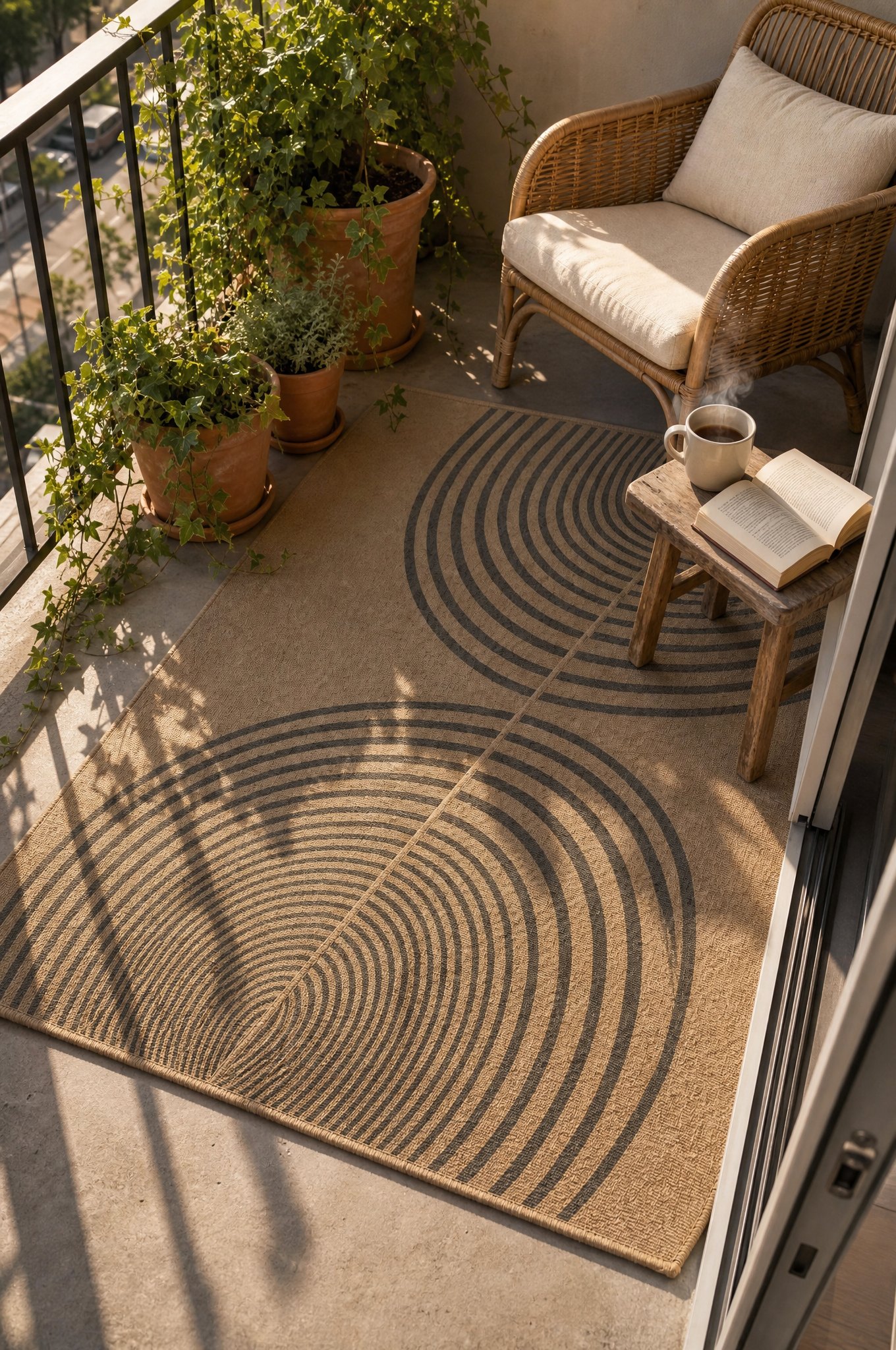 Editor's Pick
 Styled lifestyle image. Click through to view current Amazon product photos and pricing.
Rugalia Easy Jute 5x7 Outdoor Patio Rug, Washable Modern Boho Rugs for Living Room, Non-Slip Farmhouse Rainbow Outdoor Mat Neutral Abstract Floor Carpet for Patio Dining Room Backyard
Best for: Renters with wood decks who need a moisture-safe rug
$72.99
View on Amazon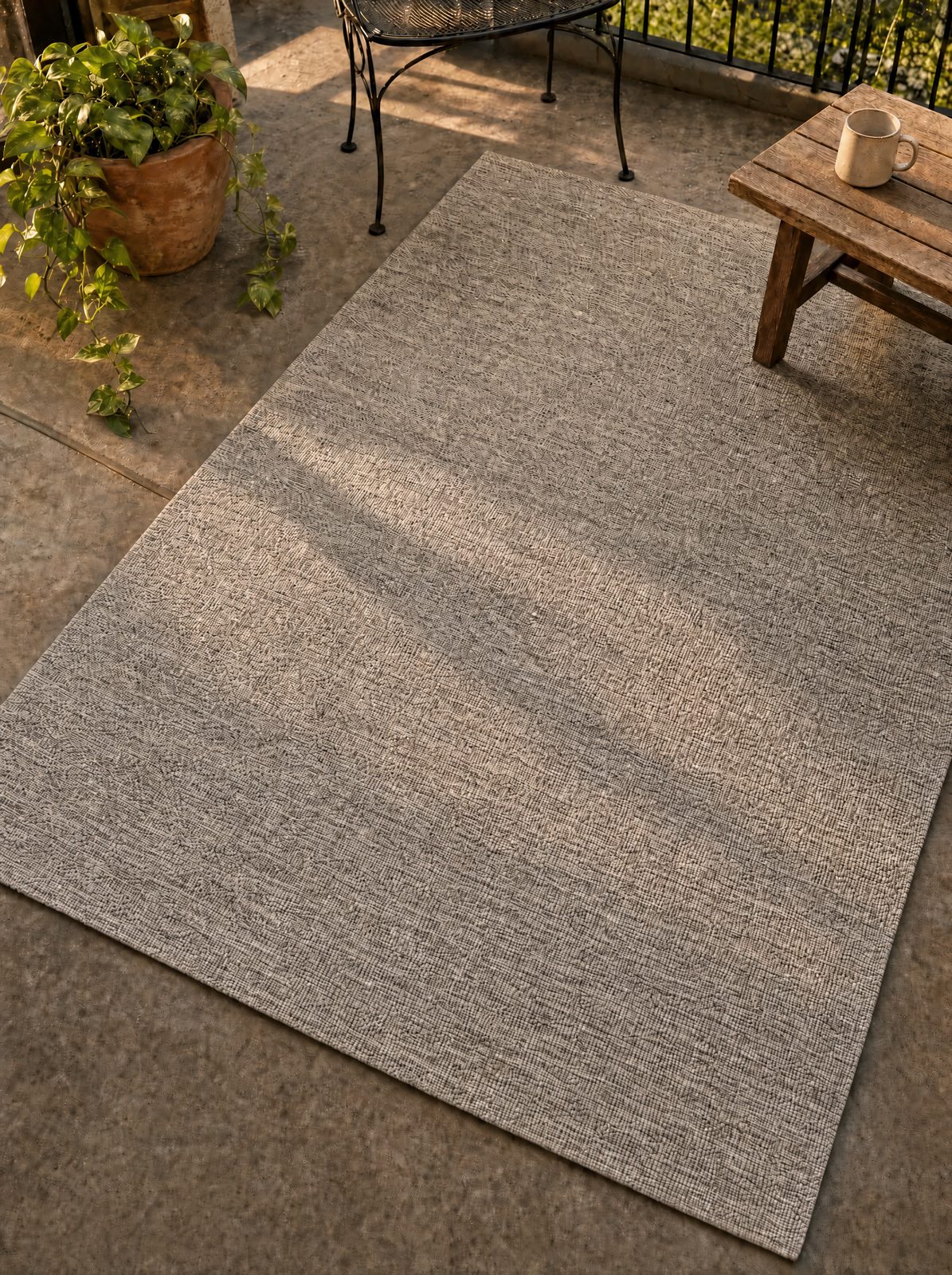
Styled lifestyle image. Click through to view current Amazon product photos and pricing.
Unique Loom Collection Casual Transitional Solid Heathered Indoor/Outdoor Flatweave Area Rug (5' 1" x 8' Rectangle, Beige/Ivory)
Best for: Small patios that want the 5×7 sweet spot without pattern
$88.99
View on Amazon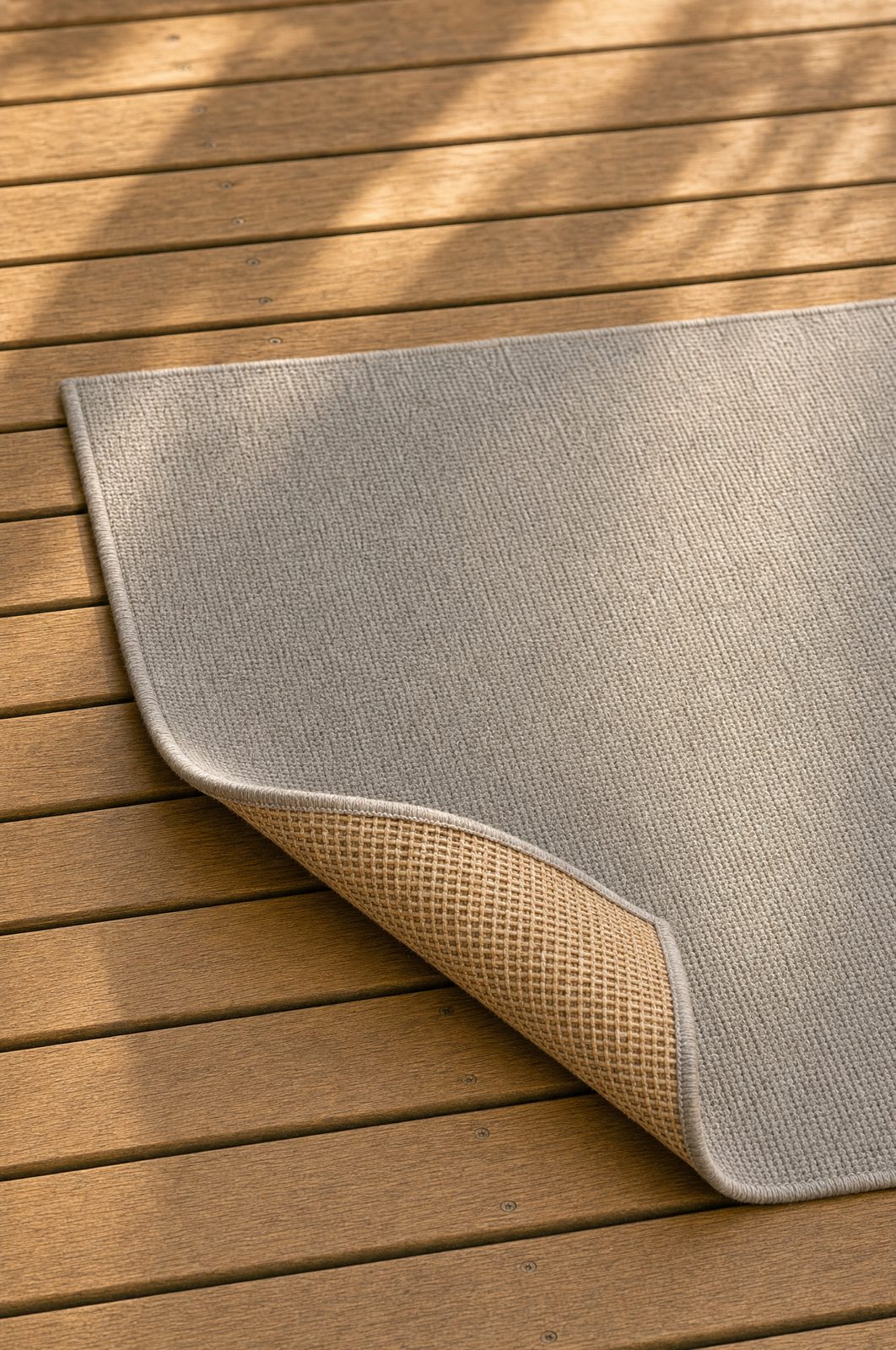
Styled lifestyle image. Click through to view current Amazon product photos and pricing.
Fab Habitat Outdoor Rug - Waterproof, Fade Resistant, Crease-Free - Premium Recycled Plastic - Neutral Ombre - Porch, Deck, Balcony, Mudroom, Laundry Room, Patio - Big Sur - Ash - 3 x 5 ft
Best for: Renters whose first outdoor rug needs to move with them
$46.99
View on AmazonTL;DR: Do jute rugs work outside? Standard indoor jute doesn’t — it soaks up rain and rots from the inside, usually within a season. The mistake isn’t loving the look; it’s putting an indoor fiber in an outdoor job. The exception is jute actually rated for outdoors: the washable Rugalia Easy Jute 5x7 ($72.99, 4.5 stars across 599 reviews) is built to be hosed and dried. The fallback is a heathered synthetic like the Unique Loom flatweave ($88.99) that fakes the texture and shrugs off water entirely.
No — not the jute rug you’re probably looking at. Standard jute is an indoor fiber: it absorbs water like a paper towel, dries slowly, and rots from the inside once mildew gets into the fiber core. Put one on an open patio and it usually looks sad by August and smells worse by September.
But “jute fails outside” hides the part that matters: there are now jute rugs built for outdoors — woven and finished to be hosed off and dried fast — and that label difference is the whole game. Here’s why regular jute fails, the outdoor-rated exception that actually holds up, and the synthetic fallback for patios that get real weather.
Why Does Regular Jute Fail Outdoors?
Jute is a bast fiber — spun from plant stalks, the same family as burlap. That origin is exactly why it feels warm and organic underfoot, and exactly why it fails outside:
- It’s hydrophilic. Jute fibers absorb moisture rather than shedding it. One rain and the rug is wet to the core, not just on the surface.
- It dries slowly. A soaked jute weave can hold internal moisture for days. Mildew needs about 48 damp hours to establish — the math doesn’t work in your favor.
- It rots invisibly. The breakdown starts inside the fiber, so by the time you see dark patches or smell must, the structural damage is done.
- Stains are permanent. Water itself leaves brown tannin marks on jute. Not dirt — the fiber reacting.
This is why general buying guides like the New York Times’ outdoor rug shopping primer steer open-air patios toward synthetics: the default natural-fiber rug simply isn’t built for weather.
The mistake, then, isn’t wanting jute outside. It’s grabbing an indoor jute rug — usually because it’s cheaper and the listing photo looks identical — and asking it to do an outdoor job.
Which Jute Rug Is Actually Rated for Outside?
The Rugalia Easy Jute is the version of this material that earns the word “outdoor” in its name. It’s 100% natural jute fiber, but woven and finished specifically for patio use — the headline difference being that it’s washable: built to take a hose-down and dry fast instead of holding water in the core. That’s the failure mode of regular jute, engineered out.
At 5x7 it’s the right size for a porch seating nook or a small patio, and the natural tan weave gives you the organic texture that synthetics imitate but don’t match underfoot. Reviewers put it at 4.5 stars across 599 reviews, with the washability and the “looks like real jute because it is” factor doing the heavy lifting. At $72.99, it costs more than a budget synthetic and less than replacing a rotted indoor jute every season — which is the actual comparison.
Two honest caveats: dry it vertically the same day it gets soaked, and if your patio is fully exposed in a rainy climate, even outdoor-rated natural fiber is the harder-work option — that’s synthetic territory.
Styled lifestyle image. Click through to view current Amazon product photos and pricing.
Rugalia Easy Jute 5x7 Outdoor Patio Rug, Washable Modern Boho Rugs for Living Room, Non-Slip Farmhouse Rainbow Outdoor Mat Neutral Abstract Floor Carpet for Patio Dining Room Backyard
Best for: Renters with wood decks who need a moisture-safe rug
$72.99
View on AmazonHow Do You Make Outdoor Jute Last?
Outdoor-rated jute holds up because the construction sheds water — but the owner’s half of the deal is drying discipline. The full playbook:
After rain: vertical, same day. Drape it over a railing or two chairs so air reaches both sides. Flat-drying on the porch floor is how moisture gets trapped against the boards — slow for the rug, risky for the wood.
Monthly in season: shake, sweep, quick hose. Dust and pollen work into natural fiber faster than into synthetics. A two-minute rinse before grime settles is worth three scrubbing sessions after.
Spot cleaning: mild and fast. Very diluted dish soap, soft brush, brief rinse, immediate dry. Natural fiber rewards gentleness — aggressive soaking undoes the finishing that makes it outdoor-rated.
Shoulder seasons: watch the humidity. Long damp stretches without sun are harder on jute than a single storm. If a week of fog is coming, roll it loosely and stand it inside until the weather turns.
Winter: store it bone-dry. Wash, dry in full sun for a day, roll loosely, store with airflow. Damp-rolled jute — any rating — is a spring science experiment.
None of this is hard; it’s ten minutes a month. But it’s real, and it’s the honest difference between jute and the synthetic below: the Rugalia rewards a little attention, the polypropylene doesn’t need any.
What’s the Best Jute-Look Alternative for Real Weather?
If your space gets weather and you don’t want a rug with care requirements, the Unique Loom heathered flatweave is the synthetic that gets closest to jute’s look. The trick is the heathering — warm and cool tones mixed through the weave — which reads as natural-fiber depth instead of the flat plastic look that gives budget synthetics away.
It’s polypropylene, so it absorbs essentially nothing: rain runs off, it dries in an hour draped over a railing, and UV resistance keeps the warm beige from going gray in full sun. At $88.99 with 4.5 stars across 7,364 reviews, it’s the “set it and forget it” answer — the texture is visual rather than tactile, and that’s the trade. Our full cleaning routine barely applies to this one; a hose and an hour covers it.
Styled lifestyle image. Click through to view current Amazon product photos and pricing.
Unique Loom Collection Casual Transitional Solid Heathered Indoor/Outdoor Flatweave Area Rug (5' 1" x 8' Rectangle, Beige/Ivory)
Best for: Small patios that want the 5×7 sweet spot without pattern
$88.99
View on AmazonHow Do You Choose Between Them?
Covered porch, dry climate, want the real thing → real outdoor-rated jute (Rugalia). You get genuine fiber texture, and the cover does half the protection work.
Open patio or balcony, real rain exposure → heathered synthetic (Unique Loom). No drying discipline required, no mildew anxiety, deck-safe without caveats.
Renting, moving often, smaller space → either rolls up and travels, but synthetics forgive storage mistakes; damp-rolled jute of any rating doesn’t. Size logic is the same as any small space — front furniture legs on the rug, per our tiny-spaces guide.
Tempted by a cheap indoor jute “for outside” → that’s the mistake this post exists to stop. You’d be buying a rug with a one-season countdown that starts at the first rain.
Budget math, honestly. A $35 indoor jute on an open patio is a $35-per-season subscription. The $72.99 outdoor-rated Rugalia amortizes over the 2–3 seasons it’s built for, and the $88.99 synthetic over even longer with zero care. Cheap-but-replaced-annually is the most expensive option on this page.
The one-line version: match the fiber to the exposure, not the photo. Jute outside is fine — as long as the rug was built for it.
Related reading
- How do you actually clean an outdoor patio rug?
- Will outdoor patio rugs ruin your wood deck? 5 checks first
- Outdoor patio rugs for tiny spaces (that actually fit)
- Best Outdoor Patio Rugs Under $80: The Five Reviewers Keep Coming Back To
Shop the Look
Styled lifestyle image. Click through to view current Amazon product photos and pricing.
Rugalia Easy Jute 5x7 Outdoor Patio Rug, Washable Modern Boho Rugs for Living Room, Non-Slip Farmhouse Rainbow Outdoor Mat Neutral Abstract Floor Carpet for Patio Dining Room Backyard
Best for: Renters with wood decks who need a moisture-safe rug
$72.99
View on Amazon Styled lifestyle image. Click through to view current Amazon product photos and pricing.
Unique Loom Collection Casual Transitional Solid Heathered Indoor/Outdoor Flatweave Area Rug (5' 1" x 8' Rectangle, Beige/Ivory)
Best for: Small patios that want the 5×7 sweet spot without pattern
$88.99
View on Amazon Styled lifestyle image. Click through to view current Amazon product photos and pricing.
Fab Habitat Outdoor Rug - Waterproof, Fade Resistant, Crease-Free - Premium Recycled Plastic - Neutral Ombre - Porch, Deck, Balcony, Mudroom, Laundry Room, Patio - Big Sur - Ash - 3 x 5 ft
Best for: Renters whose first outdoor rug needs to move with them
$46.99
View on Amazon
Styled lifestyle image. Click through to view current Amazon product photos and pricing.
Unique Loom Collection Casual Transitional Solid Heathered Indoor/Outdoor Flatweave Area Rug (4' 1" x 6' 1" Rectangle, Beige/Ivory)
Best for: Bistro setups and single-chair apartment balconies
$48.59
View on AmazonGot questions?
Can you put a jute rug outside?
Not a standard indoor jute rug — jute is a plant fiber that absorbs water like a sponge, and repeated wetting leads to mildew, odor, and fibers that rot from the inside. The exception is jute built and rated for outdoor use, like washable outdoor jute that's woven and finished to be hosed off and dried. The label distinction matters more than the material name: 'jute rug' fails outside, 'outdoor jute rug, washable' is designed for it.
What happens if a jute rug gets rained on?
One rain isn't fatal if you dry it fast: get it vertical, both sides exposed, full sun. The damage comes from repeated soaking or slow drying — the fiber core stays damp, mildew starts inside the weave where you can't see it, and by the time you smell it the structure is already breaking down. Brown water-stains that won't wash out are the early warning sign.
How do you clean an outdoor-rated jute rug?
Washable outdoor jute takes a gentler version of the standard routine: hose with moderate pressure, spot-clean with very diluted dish soap, rinse briefly, and dry vertically in the sun the same day. The non-negotiable is drying speed — even outdoor-rated natural fiber should never sit damp overnight. Skip soaking it, and skip the pressure washer entirely.
Do jute rugs get moldy?
Indoor jute, used outdoors: yes, reliably — usually within one wet season. It starts as a musty smell and dark patches at the edges, and once mildew is inside the fiber core, vinegar washes only mask it temporarily. Outdoor-rated washable jute resists this because the weave and finishing are built to shed water and dry fast, but even then, drying it properly after rain is what keeps it mold-free.
What's the best jute alternative for outdoors?
A heathered polypropylene flatweave. The heathering — mixed warm and cool fiber tones — is what fakes jute's visual depth, which flat single-color synthetics can't do. Polypropylene absorbs essentially no water, dries in an hour, and handles UV. You give up the real-fiber feel underfoot and gain a rug you never have to babysit after rain.
Is real jute worth it on a covered porch?
A covered porch is the one outdoor spot where natural jute can genuinely work — if rain can't reach it and the area isn't humid year-round. The texture and warmth underfoot are real advantages no synthetic fully matches. The honest test: if wind-blown rain ever wets that floor, treat the porch as 'outside' and go outdoor-rated or synthetic instead.
Written by KORP
Covering home decor for people who actually care how their space looks — outdoor patios, small rooms, and the details that make it feel intentional.